Fright Train Keep the Train Running
Maintenance terminals, antifreeze, and shutter discipline so the Great White never stops.
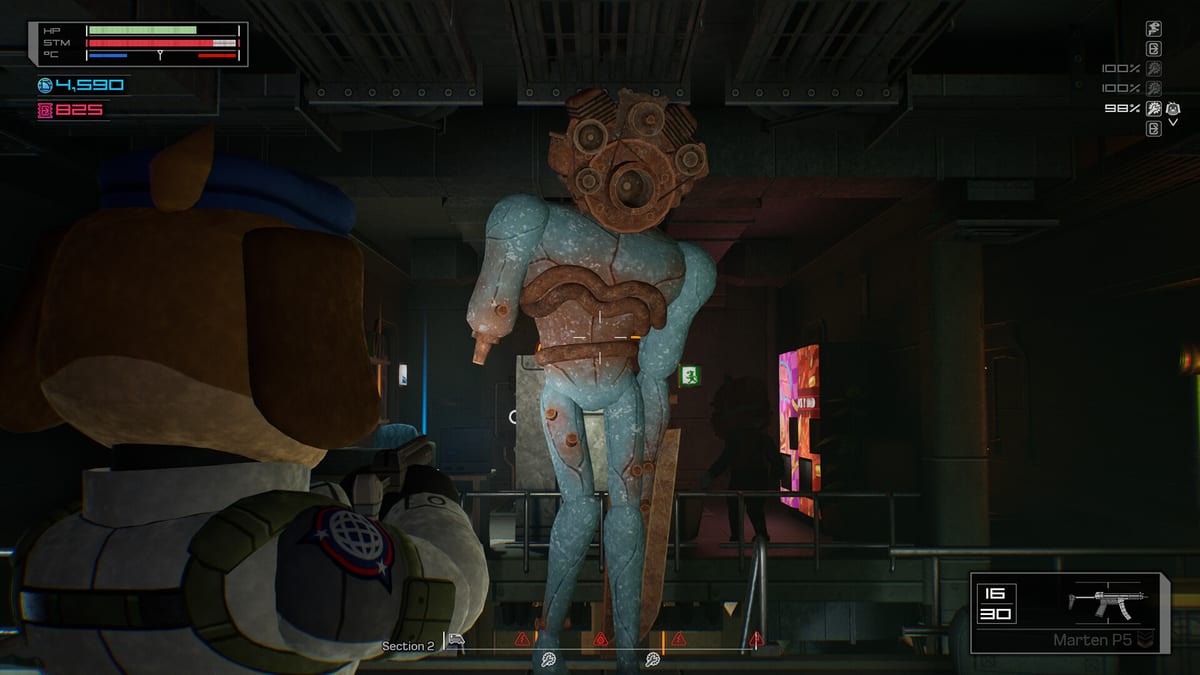
If the locomotive stops in Fright Train, Antarctica wins. This guide explains car integrity, maintenance terminals, antifreeze canisters, window shutters, and the deadly outside-repair scenario so you can treat the train like a boss arena that must stay in motion.
Pair this page with Getting Started for economy basics and Combat and Storms for what happens when a storm hits a neglected car.
Why integrity matters
Each car has a status that decays over travel and takes additional hits during storms. When a car becomes critical, there is a chance the whole train stops. A stopped train forces repairs in the open cold while horrors press the advantage. That is the signature fail state players remember — and the one this guide exists to prevent.
Watch the UI indicator for cars near your location (commonly referenced around the top-right status cluster in demo guidance). If you only look at your ammo count, you are flying blind.
Maintenance terminals
Interact with a car’s maintenance terminal to:
- Inspect condition before it becomes an emergency
- Perform preemptive repairs while you still control the tempo
- Insert antifreeze canisters to stabilize or shield the car
Preemptive work is cheaper than crisis work. Make terminal visits part of your door-to-door routine: loot, terminal glance, inventory sort, then buy the next door. Skipping terminals to “save time” is how runs donate themselves to the blizzard.
Antifreeze canisters
Antifreeze is not vendor trash. It is a survival reagent. Keep at least one canister reserved in a reachable slot — not buried under collectibles. When a terminal asks for antifreeze, you should already know which inventory cell holds it. If you routinely sell canisters for pocket credits, stop; read Inventory Management and rebuild your keep/sell rules.
Window shutters and vents
During storms, enemies enter through windows and air vents. Window terminals let you close individual shutters and reduce spawn routes. Think of shutters as map control: every closed window is one less angle that demands your aim. Before the distance tracker’s red storm marker arrives, spend thirty seconds on shutter hygiene if the car provides the tools.
This pairs directly with storm clears on Combat and Storms. A maintained car with closed shutters is a solvable arena. An ignored car with open glass is a blender.
Outside repairs: the emergency protocol
If you do end up outside:
- Equip a heat pad in a hand slot before you commit.
- Bring the repair tool path you need — do not discover mid-freeze that the canister is still in a crate.
- Clear immediate threats or create a window of safety; standing still is a death sentence.
- Finish the repair and get back inside faster than your curiosity wants.
- Afterward, audit why integrity got that low and fix the process for the next cars.
Outside sections also appear for some deliveries and objectives. Treat every exterior moment as a timed heat check, not sightseeing.
Distance tracker discipline
The bottom tracker shows how far the train has traveled and where storms land. Use it like a raid timer:
- Green calm — loot deeply, sell, rearrange inventory, repair early.
- Approaching marker — stop sightseeing, pack mags, shut shutters, top integrity.
- Storm lock — fight the arena you prepared, not the arena you deserve.
Credit priorities for maintenance players
Spend order when integrity is shaky:
- Antifreeze and repair capability
- Door fees that move you toward safer cars / extraction routing
- Ammo and mag capacity that keep storm clears short
- Weapon upgrades that reduce time-to-clear (see Weapons)
- Luxury cosmetics and experimental variants
A prettier skin does not close a shutter.
Synergy with other systems
- Inventory: antifreeze and heat pads need reserved slots — Inventory Management.
- Combat: shorter clears mean less storm damage to cars — Combat and Storms.
- Items: know which utilities are must-keep — Items Tier List.
- Enemies: armored spawn dens punish slow repairs — Enemies.
Run goal variants
Integrity training run: ignore side curios until every terminal you pass is topped off. Economy run: balance door fees with canister reserves. Extraction push: accept less loot density, refuse critical meters, sprint the checklist. All three teach the same truth — the train is a resource bar, not scenery.
Keep it running. Everything else in Fright Train is downstream of that heartbeat.
Frequently Asked Questions
Quick answers for Antarctic agents.
What happens if the train stops?
You risk freezing and outside repairs under monster pressure. Prevent stops with early terminal repairs and antifreeze.
When should I insert antifreeze?
Before cars go critical — ideally as part of a pre-storm terminal visit, not after the blizzard emergency starts.
Do shutters really matter?
Yes. Closing windows and managing vents reduces storm spawn angles and makes clears safer.